'From classical painting to video games, this survey of the taboo and the twisted won't let you look away . . . A timely and punchy new book' Guardian
'Skips with panache across periods and genres, connecting disparate ideas and artworks . . . Even at its most provocative, Dixon's book remains lucid and engaging' Alastair Sooke, Daily Telegraph
'Compelling . . . Dixon, in this deeply impressive book, argues that art can help change the world. Let's hope she's right' New Statesman
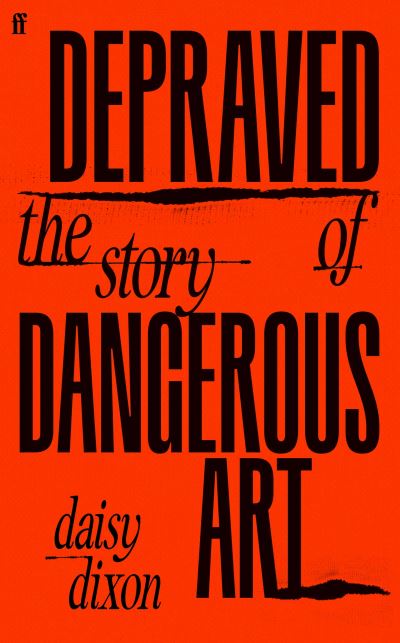
What makes an artwork immoral? Why do these troubling creations have such a hold on us? And how should we deal with them?
We live in a moment when the dangers of art seem more prevalent than ever: artists are 'cancelled' for their misdeeds, public statues are toppled, images of violence and obscenity await us at the touch of a button. But as this provocative new history demonstrates, we humans have always used art to make sense of the less innocent aspects of ourselves and the world around us.
In Depraved, philosopher of art Daisy Dixon takes the reader on a journey through some of the most volatile and contentious works ever produced – from prehistoric sculpture to extreme metal music, Renaissance paintings to video games. She reveals how beautiful art can sometimes be the most insidious, and why the greatest threat might lie in our own judgements about the art we censor or condemn.
Above all, Dixon builds a powerful case for returning the terrible gaze of our disturbing creations, showing how we can confront them head-on and tame their toxic effects.